Fit
Does it match your climate, home, materials, exposure, and the way the space is actually used?

Homeowners make a handful of expensive decisions. Every Weather Prepper report is written to help you answer...
What makes sense for my home?
Explore seven foundational reports covering what each system does, how weather-related problems develop, and which products, services, and preventive measures may be appropriate.
Foundation & basement · Now
Groundwater management, foundation assemblies, and crawlspace/basement environmental control.
A well-made product can still be the wrong choice. Every report starts from your climate, exposure, materials, and how the house is actually used.
Sources, confidence, and what we could not verify are shown in the report — not buried behind a score.
Recommendations are not shaped by retail rankings, manufacturer marketing, or what happens to be on promotion.
Weather Prepper is reader-funded. We do not accept advertising, manufacturer samples, or affiliate commissions.
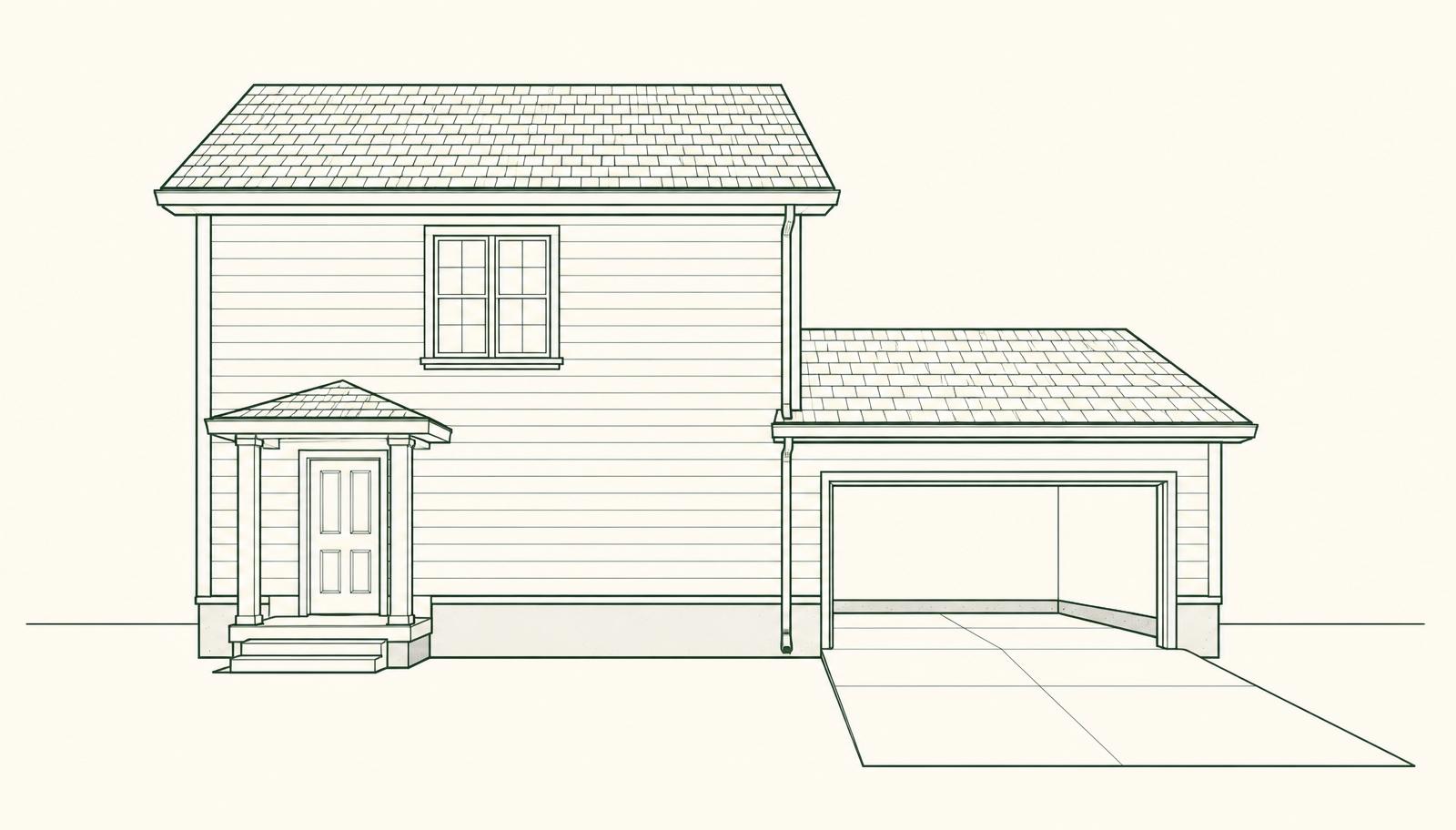
Water management works in stages, not as a single product. First, gutters catch roof runoff and downspouts carry it away from the house. Second, the ground around your foundation needs to slope downward so water flows away rather than pooling. Third, if water still reaches the soil near your foundation, a foundation drain intercepts it before it can push against the wall. If any one stage is undersized or missing, water simply finds the next weakest path, which is usually straight into the basement, crawlspace, or footing soil.
Your roof and attic work as a team, not as separate parts. The roof covering keeps rain and snow out. Underneath it, underlayment acts as a backup barrier if water gets past the surface layer. Above your insulation, the attic needs steady airflow moving in at the soffits and out at the ridge. That airflow carries away heat in summer and moisture in winter. When any one piece is missing or undersized, the whole system loses its ability to protect the house, even if the shingles or metal panels look brand new.
The foundation assembly serves as the structural load anchor and subterranean hydrological boundary of the home. Its integrity depends on managing hydrostatic pressure, soil volume fluctuations, and deep groundwater migration. Uncontrolled moisture at this level leads to structural shear, concrete spalling, and severe internal vapor drive.
Climate, materials, budget, and expectations all change the answer. These four pillars are how each evaluation gets to one.
How we evaluateDoes it match your climate, home, materials, exposure, and the way the space is actually used?
What usually limits its useful life — and what do preparation and installation change?
How can it fail, how early can you spot it, and what damage could it quietly hide?
What will it take to maintain, repair, refresh, or eventually replace over twenty years?
Ready to look at a specific decision?